
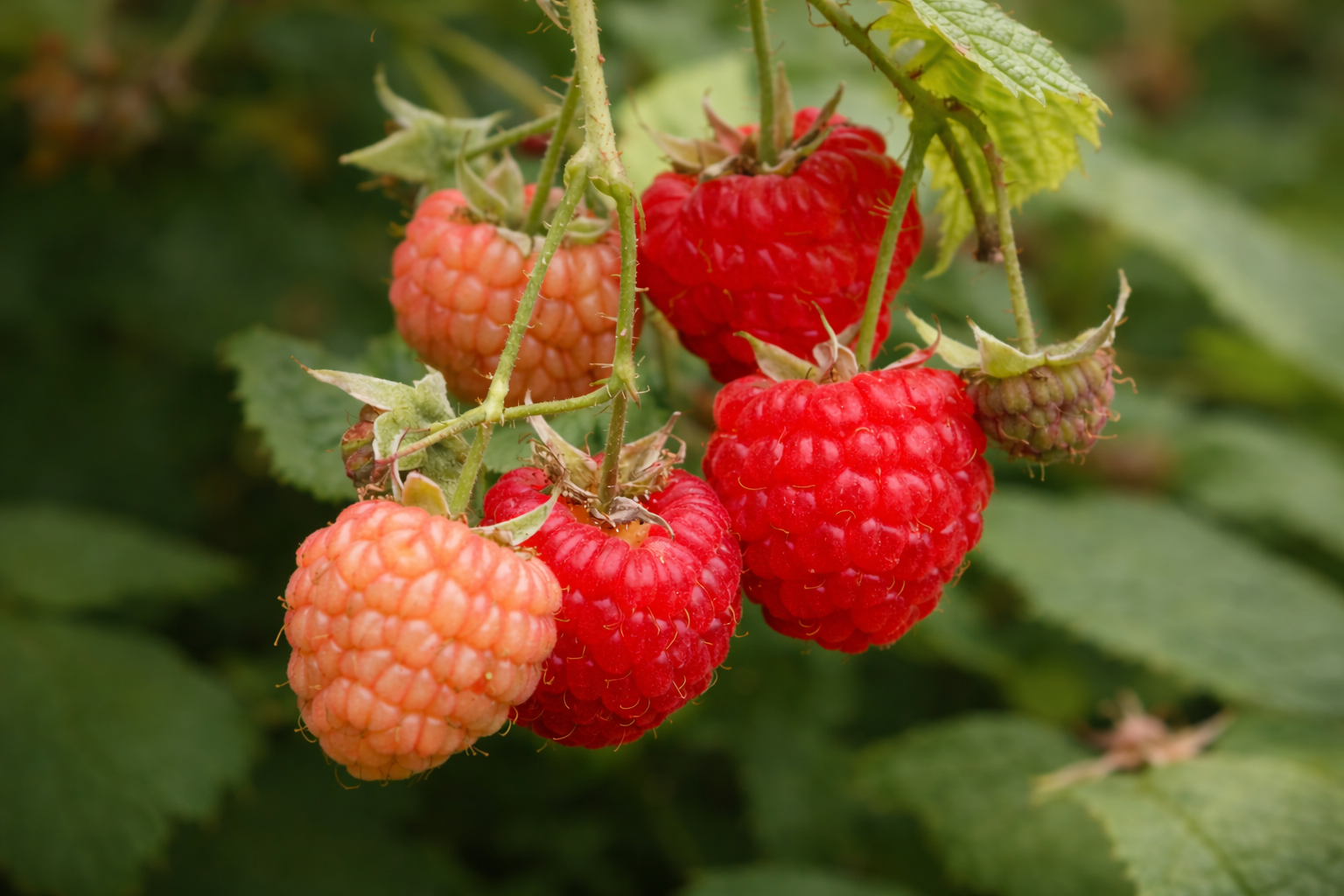
How to Grow Raspberries (Simple Guide for Healthy Plants and Bigger Yields)
Growing raspberries is one of the most rewarding things you can do in the garden. Once established, they can produce reliable harvests year after year — but the difference between weak plants and strong, productive ones usually comes down to a few key details.
In my experience, keeping things simple works best. Good soil, proper spacing, and consistent care make a noticeable difference, especially during the first growing season.
If you’re also growing other berries, you might find my guide on how to grow blueberries helpful, since many of the same soil and care principles apply: How to grow blueberries
What You Need
- Garden gloves
- Organic compost or well-rotted manure
- Slow-release fertilizer
- Pruning shears
- Plant support stakes or bamboo canes
- Garden twine
- Watering hose
Having the right basic tools makes raspberry care much easier, especially once the plants start growing quickly.
Growing Conditions
Raspberries grow best in fertile, slightly acidic soil that holds moisture but drains well. Heavy, waterlogged soil tends to cause problems, while very dry soil slows growth.
A sunny location is ideal. In warmer climates especially, I’ve found that consistent watering makes a big difference — raspberries don’t like drying out too much between watering.
Adding organic compost early on helps improve soil structure and gives plants a much better start.
Feeding in early spring with a slow-release fertilizer supports steady growth throughout the season.
Improving soil quality is one of the most important steps. Adding compost or natural amendments like worm castings can make a noticeable difference in plant health and yield.
Planting Raspberries
Raspberries are typically planted during the dormant season, from late fall through early spring, depending on your climate.
Before planting, mix organic compost into the soil and add a small amount of slow-release fertilizer.
Plants should be spaced about 18–24 inches apart, with rows around 5–6 feet apart. This spacing improves airflow and makes maintenance easier.
After planting, cutting the canes back to about 10 inches above the ground helps encourage strong new growth.
Growing Raspberries in Containers
If space is limited, raspberries can also be grown in containers.
Use a container around 14–16 inches wide and fill it with a mix of multipurpose compost and loam-based compost for stability.
Keep the soil consistently moist and feed regularly with a liquid fertilizer during the growing season.
Using plant supports or bamboo canes helps keep the canes upright as they grow.
Pruning Raspberries
Pruning is one of the most important parts of raspberry care. It keeps plants healthy and improves fruit quality.
Summer-fruiting varieties
After harvesting, cut the canes that produced fruit down to ground level.
Select the strongest new canes (around 6–8 per plant) and tie them in using garden twine. Removing weaker stems helps the plant focus its energy.
Autumn-fruiting varieties
Cut all canes down to ground level in late winter.
If the plants become too crowded during summer, thinning them slightly can improve airflow and reduce disease risk.
Training Systems
Simple wire support system
Installing posts and wire supports helps keep plants organized and easier to manage.
Tie in canes using garden twine as they grow.
Single post system (small spaces)
For smaller gardens, you can grow raspberries around a single post and tie the canes as they develop.
Propagation
Raspberries naturally produce new shoots (suckers) that can be lifted and replanted.
You can also divide mature plants or take cuttings to expand your garden.
Choosing Raspberry Varieties
Different varieties produce fruit at different times:
- Summer varieties for early harvest
- Mid-season varieties for steady production
- Fall varieties for late harvest
- Yellow raspberries for a unique option
Choosing a mix can extend your harvest season.
Final Thoughts
Raspberries are relatively low-maintenance once established. From what I’ve seen, the biggest improvements come from better soil, consistent watering, and regular pruning.
Even small adjustments can make a noticeable difference in how productive your plants become.
FAQ
Do raspberries need full sun?
They grow best in full sun, but can tolerate some partial shade.
How often should I water raspberries?
Keep the soil evenly moist, especially during hot or dry weather.
Can raspberries grow in containers?
Yes, with the right container size, good soil, and regular feeding.